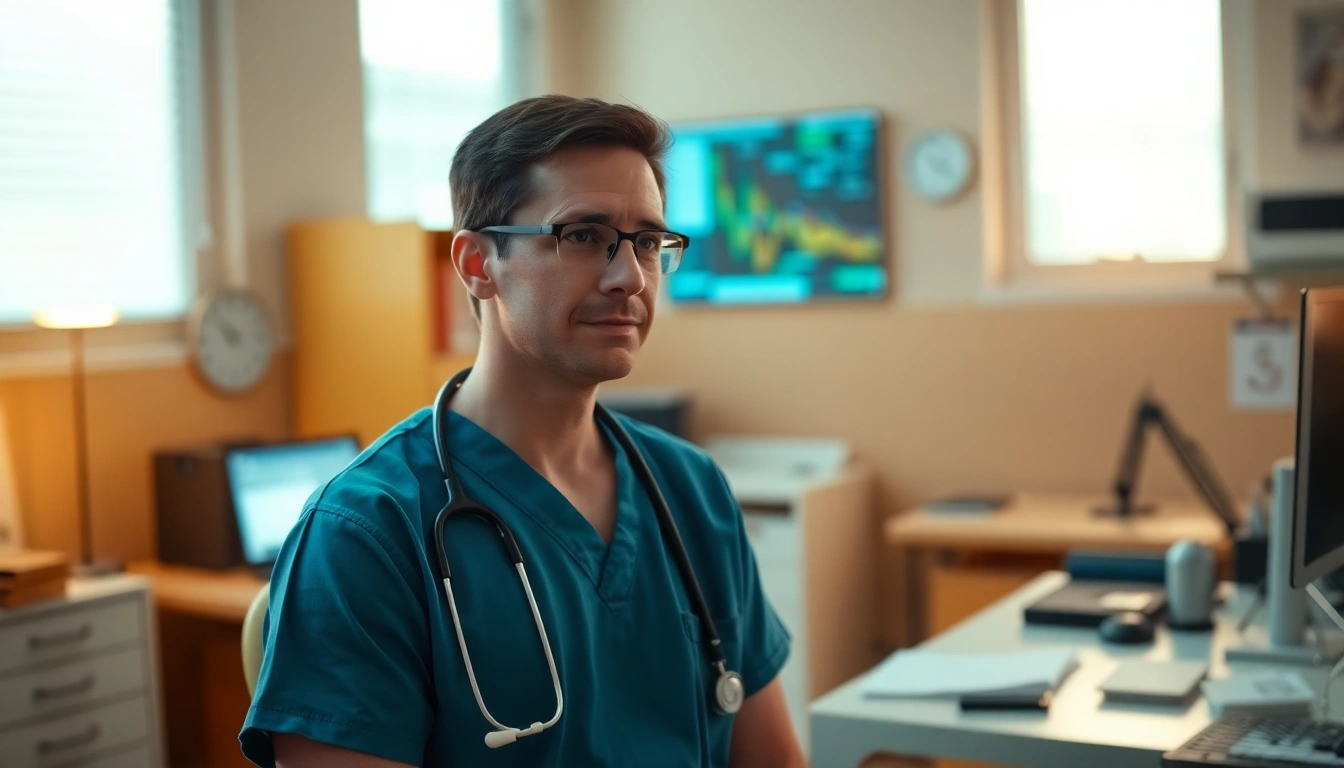
🎯 First Impressions: Nabla represents a seismic shift in how clinicians interact with the Electronic Health Record (EHR), moving away from the "keyboard-first" era and into a world of pure ambient intelligence. By capturing the nuance of patient dialogue and converting it into structured medical notes in seconds, it tackles the primary driver of physician burnout: the documentation tax. This is a must-watch tool for any practitioner looking to regain hours of their life without compromising on the clinical accuracy of their charts.
What Is Nabla? A Deep Dive into AI Clinical Scribing
Nabla is a sophisticated ambient AI clinical assistant designed specifically to liberate healthcare providers from the manual drudgery of medical documentation. Founded on the principle that doctors should spend their time looking at patients rather than screens, Nabla utilizes advanced natural language processing (NLP) and machine learning (ML) algorithms to listen to clinical encounters in real-time. Unlike traditional dictation software that requires "stop-and-start" commands or strict adherence to specific verbal cues, Nabla operates passively in the background, making it truly ambient. It intelligently identifies the distinct voices of the clinician and the patient, creating a seamless narrative flow that accurately reflects the dynamics and content of a professional medical consultation.
In the current landscape of digital health, often characterized by complex and cumbersome EHR systems, Nabla fills a critical gap between basic transcription services and high-end, human-scribe services. While older players in the market, such as those relying on remote human scribes, often involved significant lag times—sometimes up to 24 hours—due to human-in-the-loop validation, Nabla delivers high-fidelity clinical notes in just a few seconds. This near-instantaneous output is revolutionary for workflow efficiency. It allows clinicians to review and finalize their notes immediately after the patient encounter, while the details are still fresh in their minds, significantly reducing the cognitive load and potential for errors. As the healthcare industry moves toward more integrated and efficient health tech solutions, Nabla has strategically positioned itself by prioritizing security, speed, and seamless connectivity with existing enterprise systems like Epic, Oracle Health (formerly Cerner), and NextGen. Source: Nabla Official Documentation
The Core Technology Behind Nabla
What truly distinguishes Nabla from emerging competitors and generic AI conversational tools is its deep bench of medical-specific logic and specialized training data. It doesn't just record words; it understands clinical intent and context. For example, when a patient mentions experiencing "a dull ache in my chest that goes away when I rest," Nabla's AI doesn't just transcribe this verbatim. Instead, it recognizes the structured format required for a medical history taking, identifying key symptomatic descriptors, alleviating factors, and temporal characteristics. It then intelligently categorizes this information into the appropriate sections of a SOAP (Subjective, Objective, Assessment, Plan) note or other structured clinical templates.
Whether you are a pediatrician discussing developmental milestones and vaccine schedules, a therapist exploring emotional regulation strategies, or a surgeon explaining an upcoming laparoscopic cholecystectomy procedure, Nabla’s AI is trained to adapt its formatting, terminology, and structural output according to the specific medical specialty. This level of customization ensures that the generated notes aren't just accurate transcriptions of dialogue but are clinically relevant, compliant documents that meet the rigorous standards of modern healthcare billing, regulatory bodies, and internal institutional policies. The accuracy is bolstered by extensive training on millions of anonymized medical encounters, allowing it to predict and integrate appropriate medical jargon and standard phrases without requiring explicit verbalization from the clinician for every single term.
Why Nabla Copilot Caught Our Attention
| Detail | Info |
|---|---|
| Category | Ambient AI Clinical Scribe |
| AI Type | Generative NLP / Ambient Audio |
| Latest Update | 2026 Integration Suite |
| Starting Price | $119/mo |
| Free Plan | Yes (30 consults/mo) |
| Best For | Clinicians reducing burnout, enhancing documentation efficiency |
| Compliance | HIPAA & GDPR |
The "aha moment" with Nabla Copilot, the company's flagship ambient AI solution, often occurs the very first time a clinician finishes a complex ten-minute patient interview, hits "stop" on the recording, and watches a perfectly structured SOAP note materialize in their chosen template, all within five seconds. For decades, the promise of the paperless office in healthcare metastasized into a new burden of data entry and click-heavy EHR navigation for doctors. Nabla feels like the first genuine, effective apology for that sustained burden. It doesn't merely transcribe; it synthesizes, structures, and presents. It skillfully filters out the extraneous small talk about the weather, weekend plans, or local sports teams, focusing purely on the clinical information: the patient's chief complaint, history of present illness, review of systems, physical exam findings discussed, assessment, and the therapeutic plan formulated. This intelligent filtering ensures that the resulting note is concise, relevant, and free of non-essential details, saving clinicians valuable review time.
Furthermore, Nabla's unwavering commitment to a "privacy-first" architecture is a breath of fresh air in an era of escalating data security concerns and stringent regulatory requirements like HIPAA (Health Insurance Portability and Accountability Act) in the US and GDPR (General Data Protection Regulation) in Europe. By ensuring that no audio or video recordings are stored permanently on their servers—meaning the audio stream is processed in real-time and then immediately deleted after transcription—Nabla bypasses many of the ethical, legal, and IT security hurdles that have historically slowed down the adoption of AI in sensitive environments like the exam room. This ephemeral data processing model provides a significant competitive advantage and a unique selling proposition in a highly regulated industry. When you combine this unparalleled level of security and privacy with its aggressive pricing strategy—especially the provision of a highly functional free tier for individual practitioners—it becomes abundantly clear that Nabla isn't just a tool exclusively for elite hospital systems with vast budgets; it is an accessible, powerful tool for the everyday practitioner in small independent clinics, fostering broader adoption and democratizing access to cutting-edge AI.
Addressing the Burnout Crisis in Healthcare
The burden of administrative tasks, particularly clinical documentation, is frequently cited as a primary contributor to physician burnout. A study published in the Annals of Internal Medicine found that physicians spend nearly twice as much time on desk work as they do on direct patient interaction, with a significant portion dedicated to EHR documentation. Source: Annals of Internal Medicine. Nabla directly counteracts this trend by automating the most time-consuming aspect of clinical work. By reducing the time clinicians spend on charting, it theoretically reclaims valuable hours that can be reallocated to direct patient care, professional development, or personal well-being. This direct impact on physician workflow and quality of life is a key reason for its rising prominence.