






AI Manufacturing Optimization: Enhance Quality Control
AI Manufacturing Optimization: Enhance Quality Control offers a practical approach for teams looking to improve efficiency and outcomes.
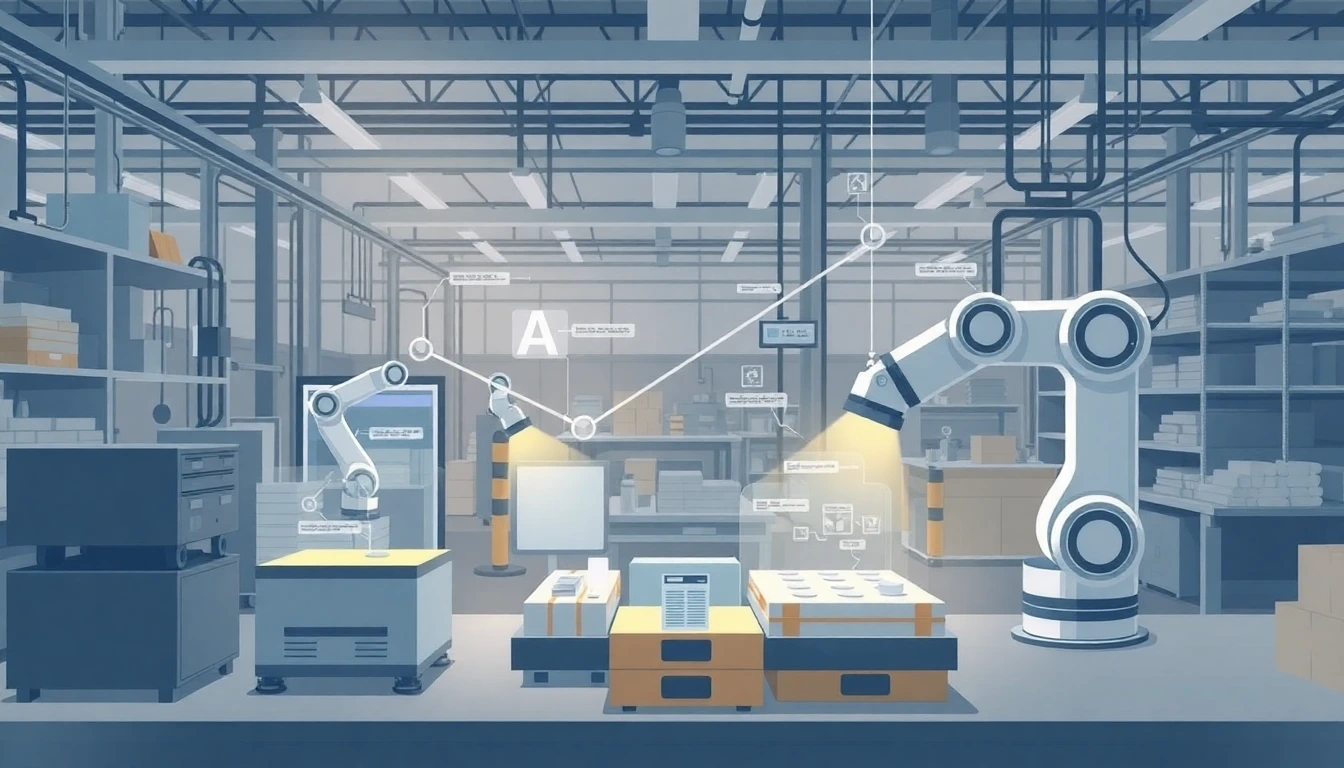
Key Takeaways

- AI-driven quality control integrates predictive analytics and machine vision to prevent manufacturing defects.
- Real-time data analysis from sensors and manufacturing execution systems (MES) is crucial for effective AI deployment.
- Proactive quality management shifts from reactive defect detection to preventative defect avoidance.
- Machine learning models enhance inspection accuracy and reduce human error in complex production lines.
- Implementing AI for quality control requires careful data strategy, model validation, and iterative refinement.
- Significant ROI can be achieved through reduced waste, rework, and improved customer satisfaction.
- Ethical AI deployment ensures transparency and fairness, especially in defect classification and anomaly detection.
💡 Who this is for: Manufacturing operations managers, plant managers, quality assurance leads, and process engineers looking to integrate Artificial Intelligence into their quality control workflows to reduce defects, optimize processes, and enhance overall product quality. They will learn practical strategies, implementation steps, and common pitfalls to avoid for successful AI integration.
<!-- TEMPLATE_PREVIEW: {"title":"Introduction to AI in QC","type":"guide","items":["Understanding the shift to AI","Addressing production pain points","Benefits of proactive quality"]} -->
Introduction

Modern manufacturing faces relentless pressure to deliver higher quality products faster and at lower costs. Traditional quality control methods, while effective to a degree, are often reactive, identifying defects after they have occurred. This leads to costly rework, material waste, production delays, and potential damage to brand reputation. The introduction of Artificial Intelligence (AI) offers a transformative shift, moving quality control from a reactive process to a proactive, predictive one. By harnessing the power of vast datasets, sophisticated algorithms, and advanced sensing technologies, AI enables manufacturers to identify potential issues before they escalate, preventing defects rather than merely detecting them. This guide explores how AI can revolutionize your manufacturing quality control, providing actionable insights for operations managers dedicated to excellence.
A specific pain point many operations managers face is the sheer volume of manual inspections required on complex assembly lines, leading to potential human error and bottlenecking. For instance, in an automotive plant producing thousands of components daily, manual optical inspection for micro-cracks or surface imperfections is both labor-intensive and prone to fatigue-induced mistakes. AI, particularly machine vision, can automate and standardize these inspections, operating with tireless precision and at speeds unattainable by human inspectors, thereby directly addressing this critical challenge. This paradigm shift offers not just incremental improvements, but a fundamental re-imagining of quality assurance.
<!-- TEMPLATE_PREVIEW: {"title":"Leveraging AI for Predictive Quality","type":"guide","items":["Integrating sensor data","Predicting potential failures","Real-time process adjustments"]} -->
Frequently Asked Questions
How does AI specifically reduce manufacturing defects?
AI reduces defects by enabling predictive quality, identifying potential issues before they occur through real-time data analysis. It also enhances inspection accuracy via machine vision, detecting subtle flaws consistently that human inspectors might miss, leading to proactive process adjustments.
What kind of data is essential for effective AI in quality control?
Effective AI in quality control relies on diverse, high-quality data. This includes sensor data (temperature, pressure, vibration), MES data (production parameters), historical defect logs, visual inspection data (images), and even material characteristics. The more comprehensive and clean the data, the better.
Is AI cost-effective for small to medium-sized manufacturers (SMMs)?
Yes, AI can be cost-effective for SMMs. While initial investment is required, the ROI from reduced scrap, rework, and improved efficiency can be significant. Starting with a targeted pilot project on a critical issue helps manage costs and demonstrate value quickly. Cloud-based AI solutions also offer more accessible entry points.
How can I avoid bias in AI quality control systems?
Avoid bias by ensuring your training data is representative and diverse, covering all variations in product and process conditions. Implement explainable AI (XAI) techniques to understand model decisions and establish clear human oversight protocols to review and correct any biased outcomes, continuously retraining models with balanced data.
What is the primary benefit of using AI over traditional quality control methods?
The primary benefit is the shift from reactive defect detection to proactive defect prevention. AI enables real-time, continuous monitoring and dynamic process adjustments, reducing human error, increasing inspection speed and accuracy, and ultimately minimizing waste and improving first-pass yield significantly more than traditional, often manual, methods.