
Early Disease Detection: AI Image Analysis for Clinicians: AI Image Analysis Diagnostics offers radiologists and pathologists unprecedented capabilities for early disease detection, enhancing precision and accelerating critical workflows. This guide compares two primary approaches: commercial AI platforms and open-source AI frameworks, providing a clear path for healthcare professionals to integrate these powerful technologies effectively into their practice. Understanding the nuanced differences in deployment, customisation, and regulatory pathways is crucial for optimising diagnostic efficiency and patient outcomes.
TL;DR: Choosing AI Image Analysis Diagnostics by Use Case

Selecting the right AI image analysis diagnostic approach hinges on your institution's specific needs, existing infrastructure, and risk tolerance for development. Commercial platforms excel in situations demanding immediate clinical utility, regulatory compliance, and minimal in-house IT burden. They provide pre-validated models for common pathologies and integrate with existing PACS/RIS systems with relative ease. Conversely, open-source AI frameworks offer unparalleled flexibility and control, making them indispensable for research-heavy environments, rare disease studies, or when developing highly specialised algorithms that require deep customisation and data sovereignty.
For a rapid deployment focusing on established diagnostic pathways, commercial solutions are often the fastest route to clinical integration. These platforms typically arrive with FDA or CE mark clearances (as of 2026) for specific indications, streamlining their adoption into daily practice. However, this convenience often comes with less control over the underlying algorithms and data processing.
Open-source frameworks, such as those built on NVIDIA MONAI, helps institutions to build bespoke solutions tailored to unique research questions or highly specific patient cohorts. This approach demands significant in-house expertise in AI/ML engineering, data science, and regulatory validation, but it provides complete control over the entire development lifecycle and data handling. Hybrid models are also emerging, where commercial platforms offer API access, allowing institutions to integrate custom open-source modules for specific tasks while using the commercial backbone for core infrastructure and regulatory compliance.
💡 Tip: Prioritise solutions with existing DICOM/PACS/RIS integrations to minimise initial setup friction and ensure data flow continuity in clinical settings. Verify the platform's ability to handle your specific imaging modalities (CT, MRI, X-ray, ultrasound, digital pathology whole slide images) and data volumes before committing.
Comparison Criteria for AI Image Analysis Platforms
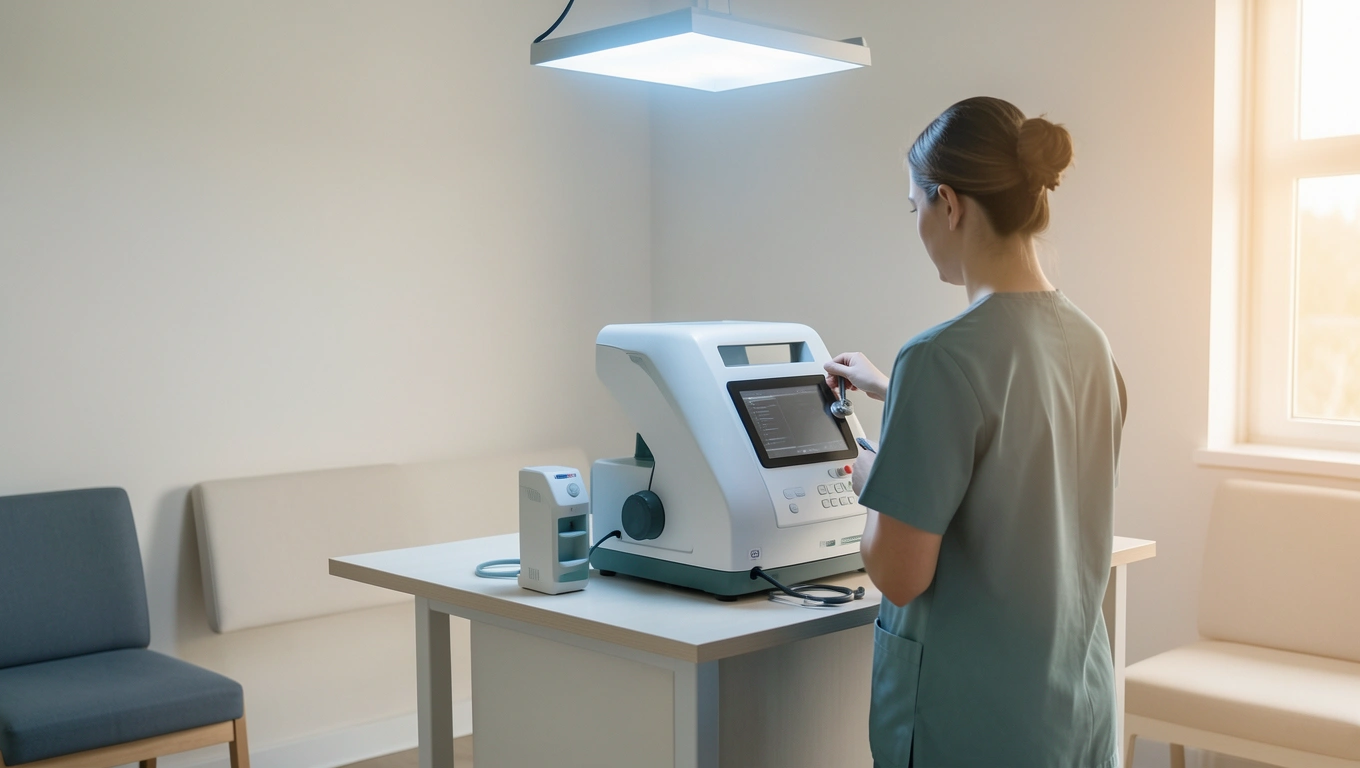
When evaluating AI image analysis diagnostics, radiologists and pathologists must consider several critical criteria that directly impact clinical utility, operational efficiency, and long-term strategic goals. These criteria move beyond simple feature lists to encompass the entire lifecycle of AI integration, from initial deployment to ongoing maintenance and regulatory adherence. Understanding these distinctions is fundamental to making an informed decision that aligns with both clinical needs and institutional capabilities.
Deployment & Scalability Commercial platforms typically offer cloud-based SaaS models, simplifying deployment and scaling infrastructure on demand. Some also provide on-premise deployment options for enhanced data control, though these often require more significant IT resources. Open-source frameworks, by definition, require self-hosting, which means institutions must manage their own computational infrastructure, including GPUs, storage, and networking. While this offers maximum control, it also necessitates solid IT and DevOps capabilities to ensure performance and scalability for high-volume diagnostic workloads. Considerations include the ability to process large DICOM datasets, handle multiple concurrent studies, and scale inference capabilities without introducing latency.
Regulatory Compliance & Validation This is a paramount concern in healthcare. Commercial AI platforms often arrive with pre-market clearances (e.g., FDA 510(k), CE Mark) for specific clinical indications, significantly reducing the regulatory burden for adopting institutions. These clearances are usually for specific algorithms and versions, meaning updates may require re-validation. For open-source solutions, the responsibility for rigorous validation, performance benchmarking against clinical ground truth, and navigating the entire regulatory approval process falls entirely on the developing institution. This can be a multi-year, resource-intensive undertaking, requiring extensive documentation and clinical trials to demonstrate safety and efficacy.
Customisation & Flexibility Commercial platforms offer varying degrees of customisation, typically through configurable parameters, API integrations, or vendor-provided SDKs for specific model adjustments. True code-level customisation is rare, limiting the ability to adapt models for highly niche applications or unique research questions. Open-source frameworks provide unparalleled flexibility. Radiologists and pathologists, supported by AI engineers, can modify model architectures, fine-tune models with proprietary datasets, integrate novel algorithms, and develop entirely new AI applications from the ground up. This flexibility is crucial for academic centers pushing the boundaries of medical imaging research or for addressing rare diseases where pre-trained commercial models may lack sufficient data.
Maintenance & Support With commercial platforms, vendors are responsible for model updates, security patches, bug fixes, and infrastructure maintenance. This offloads a significant operational burden from healthcare providers, ensuring the AI system remains current and secure. Service Level Agreements (SLAs) typically define performance guarantees and support response times. For open-source solutions, the institution's internal teams bear the full responsibility for ongoing maintenance, security audits, model retraining, and troubleshooting. While community support for popular frameworks can be solid, direct vendor support is absent, requiring strong internal expertise to manage the lifecycle of custom AI deployments.
Cost Model Commercial AI platforms typically operate on a subscription model, which can be per-study, per-seat, or tiered based on usage volume. These costs include software licenses, infrastructure, maintenance, and support. While predictable, these costs can scale significantly with increasing adoption. Open-source frameworks have no direct licensing fees, but they incur substantial indirect costs. These include the salaries of AI/ML engineers, data scientists, and DevOps personnel, infrastructure costs (hardware, cloud computing), data labeling and curation expenses, and the overhead associated with in-house validation and regulatory efforts. The upfront investment in talent and infrastructure for open-source can be high, but long-term operational costs might be lower for highly specific, self-maintained solutions.
Integration Capabilities Both approaches aim to integrate with existing clinical IT systems. Commercial platforms often provide out-of-the-box integrations or well-documented APIs for PACS (Picture Archiving and Communication Systems), RIS (Radiology Information Systems), and EHR (Electronic Health Records) using standards like DICOMweb, HL7, and FHIR. These integrations are designed to minimise disruption to existing workflows. Open-source solutions require custom integration development. While they can connect to any system with an accessible API, building these solid, secure, and performant integrations demands significant engineering effort and a deep understanding of healthcare data standards.
| Feature | Commercial AI Platforms | Open-Source AI Frameworks |
|---|---|---|
| Deployment | SaaS/Cloud, On-prem (vendor-specific) | Self-hosted, Containerised (Docker, Kubernetes) |
| Regulatory | Often FDA/CE-marked modules (as of 2026) | Requires rigorous in-house validation & clearance |
| Customisation | Limited to vendor APIs/plugins, configurable parameters | Full code-level control, bespoke model development |
| Maintenance | Vendor-managed updates, security, infrastructure | Team-managed updates, security, infrastructure |
| Cost Model | Subscription ($/study, $/seat, tiered licensing) | Development, Infrastructure, Talent, Validation |
| Integration | Standard APIs (FHIR, DICOMweb, HL7), pre-built connectors | Custom API builds, manual integration development |
| Data Control | Vendor cloud processing (with solid agreements) | Full local control, data sovereignty within firewall |
| Learning Curve | Moderate (workflow adaptation) | High (AI/ML engineering, data science) |
Commercial AI Platforms for Diagnostic Imaging: Pros & Cons

Commercial AI platforms are rapidly becoming integral to diagnostic imaging, offering streamlined solutions for radiologists and pathologists. These platforms are typically developed by established medical technology companies or specialised AI vendors, focusing on specific clinical applications. They aim to augment human expertise, reduce diagnostic errors, and improve workflow efficiency within high-volume clinical settings.
Advantages: Rapid Deployment & Regulatory Assurance
One of the most compelling benefits of commercial AI platforms is their rapid deployment capability. Unlike custom-built solutions, these platforms often come as ready-to-integrate software packages, frequently cloud-based or offered as virtual appliances. This significantly reduces the time and resources required for implementation, allowing institutions to begin using AI within weeks or months, rather than years. A typical deployment involves connecting the platform to the existing PACS via DICOM routers or dedicated APIs, configuring study routing rules, and integrating AI findings into the RIS or EHR. For instance, a platform for stroke detection might immediately begin triaging CT perfusion scans, flagging suspected large vessel occlusions for urgent review.
Another critical advantage is regulatory assurance. As of 2026, many leading commercial AI diagnostic tools have already undergone rigorous testing and received regulatory clearances (e.g., FDA 510(k), CE Mark) for specific clinical indications. This pre-market approval covers the AI algorithm's safety, efficacy, and performance for its intended use, significantly de-risking adoption for healthcare providers. Radiologists can trust that the AI's outputs have been clinically validated, reducing the institutional burden of extensive in-house validation required for novel or open-source AI models. This is particularly crucial for AI image analysis diagnostics where misinterpretation can have severe patient consequences. For example, a commercial AI solution for mammography analysis may have specific clearance for identifying suspicious lesions, giving clinicians confidence in its supplementary role. [Gartner's 2026 AI in Healthcare report](https://www.gartner.com/en/healthcare) highlights regulatory compliance as a primary driver for commercial AI adoption in clinical settings.
Furthermore, commercial platforms typically offer simplified maintenance and ongoing support. The vendor is responsible for all aspects of the AI model's lifecycle, including software updates, security patches, performance monitoring, and infrastructure management. This alleviates the need for dedicated in-house AI engineering teams and ensures the system remains current with the latest advancements and security protocols. Vendors often provide 24/7 technical support, defined SLAs, and regular model improvements, ensuring continuous uptime and optimal performance. This managed service model allows radiologists and pathologists to focus on clinical work rather than IT management.
Disadvantages: Vendor Lock-in & Customisation Limits
Despite their advantages, commercial AI platforms come with notable drawbacks, primarily vendor lock-in. Once an institution commits to a specific commercial platform, migrating to a different vendor can be complex and costly. This lock-in extends beyond just the software; it can involve proprietary data formats, specific API integrations, and a dependency on the vendor's ecosystem for future innovations. Data egress, while typically addressed in contracts, can still be a logistical challenge, as large volumes of annotated imaging data might need to be transferred and re-ingested into a new system. This limits an institution's long-term flexibility and negotiation power.
Another significant limitation is customisation constraints. While commercial platforms often offer configurable parameters or SDKs for minor adjustments, they rarely provide true code-level access to the underlying AI models. This means radiologists and pathologists have limited ability to fine-tune algorithms with their unique institutional data, adapt models for rare disease presentations not covered by the general training data, or integrate novel research algorithms developed in-house. For academic centers or specialists dealing with highly specific pathologies (e.g., unusual oncological markers on pathology slides), this lack of flexibility can hinder modern research and the development of highly specialised diagnostic tools. A platform designed for general lung nodule detection might struggle with highly specific interstitial lung disease patterns without direct model access.
Finally, cost scalability can be a concern. Commercial platforms operate on various pricing models, often per-study, per-seat, or based on compute usage. While these costs are predictable, they can escalate rapidly as the volume of diagnostic imaging increases or as more departments adopt the technology. Large institutions processing hundreds of thousands of studies annually might find the cumulative subscription fees substantial over time. Furthermore, some platforms may have hidden costs associated with premium features, additional integrations, or exceeding predefined usage tiers. This requires careful financial planning and negotiation to ensure the total cost of ownership remains sustainable.
Open-Source AI Frameworks for Image Analysis: Pros & Cons
Open-source AI frameworks represent a powerful alternative for institutions seeking maximum control, customisation, and data sovereignty in their AI image analysis diagnostics. Frameworks like TensorFlow, PyTorch, and specifically MONAI (Medical Open Network for AI) have become cornerstones for developing bespoke solutions in radiology and pathology. This approach is particularly appealing for academic medical centers, large research hospitals, and organisations with significant in-house AI/ML expertise.
Advantages: Unparalleled Flexibility & Data Sovereignty
The primary advantage of open-source AI frameworks is unparalleled flexibility. Radiologists and pathologists, collaborating with dedicated AI engineers, gain complete control over every aspect of the AI model's development and deployment. This includes selecting specific model architectures (e.g., U-Net for segmentation, ResNet for classification), fine-tuning algorithms with proprietary institutional datasets, and integrating novel research findings directly into the AI pipeline. This level of control is invaluable for addressing niche clinical questions, developing AI for rare diseases where commercial models are often lacking, or exploring new imaging biomarkers. For example, a pathology department could train a custom model to identify a specific, newly discovered histological feature in biopsy slides, a capability highly unlikely to be offered by an off-the-shelf commercial product.
Another significant benefit is data sovereignty. When using open-source frameworks, all imaging data (DICOM, whole slide images) can remain entirely within the institution's firewall, processed on local servers or private cloud instances. This addresses critical concerns around patient privacy, data security, and compliance with regulations like HIPAA and GDPR. Institutions retain full ownership and control over their sensitive medical data, avoiding the need to transfer it to third-party cloud environments. This is particularly important for pathology, where whole slide images can be gigabytes in size, containing highly sensitive patient information. Data pipelines can be designed to ensure anonymisation and pseudonymous data handling are managed strictly in-house.
Furthermore, open-source development fosters innovation and transparency. The collaborative nature of open-source communities means that new research, model architectures, and best practices are often shared freely and rapidly. This allows institutions to use a global pool of knowledge and contribute their own advancements. The transparent nature of the code base also allows for a deeper understanding of how AI models function, facilitating interpretability and explainability, which are crucial for clinical trust and validation. Researchers can audit every line of code, ensuring algorithms perform as expected and identifying potential biases.
Disadvantages: High Development Overhead & Maintenance Burden
Despite the significant advantages, adopting open-source AI frameworks comes with substantial challenges, most notably high development overhead. Building, training, and deploying custom AI models from scratch requires a significant investment in specialised talent. Institutions need to hire or train AI/ML engineers, data scientists, and MLOps specialists who possess expertise in programming languages (e.g., Python), deep learning frameworks (TensorFlow, PyTorch), medical imaging processing libraries (e.g., ITK, SimpleITK), and data engineering. This team must manage everything from data curation and annotation to model training, evaluation, and deployment infrastructure. The initial setup cost in terms of personnel and hardware (e.g., GPU clusters) can be substantial, easily reaching millions of dollars annually for a solid team.
A major hurdle for open-source solutions in a clinical context is the maintenance burden and regulatory pathway. Unlike commercial products with vendor-managed updates, institutions using open-source models are fully responsible for ongoing maintenance, security patches, performance monitoring, and model retraining. As new data becomes available or patient populations shift, models may need to be regularly updated and re-validated to maintain accuracy. More critically, every custom-developed open-source AI model intended for clinical use must undergo its own rigorous in-house validation and regulatory clearance process. This involves extensive prospective and retrospective studies, performance benchmarking against human experts, and meticulous documentation to demonstrate safety and efficacy to regulatory bodies. This process can be lengthy, costly, and requires deep expertise in regulatory affairs, significantly extending the timeline from development to clinical deployment.
⚠️ Caution: Deploying open-source models in a clinical setting without rigorous in-house validation and a clear regulatory pathway poses significant patient safety and compliance risks. This process can extend development timelines by years and requires dedicated resources for ongoing monitoring and re-validation. The absence of an FDA or CE mark means the institution bears full responsibility for the clinical performance and safety of the AI.
Lastly, integration complexity is often higher with open-source frameworks. While commercial platforms offer pre-built connectors, integrating a custom open-source AI model into existing PACS, RIS, and EHR systems requires bespoke engineering. This involves developing custom APIs, ensuring DICOM compliance for image ingestion and annotation output, and building solid, secure data pipelines. These integrations must be designed to handle high data volumes, maintain data integrity, and ensure low latency for real-time diagnostic support. The effort required to create a smooth, production-grade integration can be considerable, often underestimated during initial project planning.
Advanced Prompting & Automation Strategies
For radiologists and pathologists, integrating AI image analysis diagnostics means more than just running a model; it involves strategic prompting, API orchestration, and automation to truly transform workflows. Advanced users move beyond basic "run model A on image B" to craft sophisticated prompts and integrate AI outputs into broader departmental systems.
Optimising Commercial Platform Workflows
Commercial AI platforms, while offering less code-level customisation, often provide powerful API endpoints and configurable user interfaces that enable advanced users to optimise their workflows significantly. The key lies in understanding the platform's capabilities for automated study prioritisation and triage. Instead of manually reviewing every scan, radiologists can configure the AI to automatically flag studies with high-likelihood findings directly within the PACS worklist. For example, a platform integrated with a CT scanner could use its API to receive new studies, process them for critical findings like intracranial hemorrhage or pulmonary embolism, and then push an alert or reorder the radiologist's worklist in real-time. This ensures life-threatening conditions receive immediate attention.
Advanced filtering and segmentation prompts within the platform's UI or via its API can refine AI analysis. For instance, a radiologist might use a platform's query interface to specifically search for "lung nodules > 6mm and spiculated morphology" across a cohort of patients or instruct the AI to "segment only the viable tumor core, excluding necrosis" on an MRI. These prompts tap into the AI's underlying capabilities to focus its attention, providing more granular and clinically relevant outputs. For pathologists, this could involve prompting the AI to "quantify HER2 expression in invasive carcinoma regions, ignoring benign glands" on a whole slide image, rather than a generic analysis of the entire slide.
Furthermore, integrating AI-generated annotations and measurements directly into reporting templates via vendor APIs dramatically reduces manual data entry. Instead of transcribing tumor dimensions or lesion counts from the AI output, the AI can populate these fields directly into the RIS or EHR reporting system. This not only saves time but also reduces transcription errors, ensuring consistency and accuracy in diagnostic reports. Some platforms also support macro-prompts or saved analysis protocols, allowing radiologists to apply a sequence of AI analysis steps (e.g., "segment liver, detect lesions, measure volume, compare to previous study") with a single click, standardising complex analyses.
Using Open-Source for Custom Automation
For open-source AI frameworks, advanced prompting extends beyond UI interactions to building custom inference pipelines and orchestration. This means designing entire automated workflows where images are ingested, pre-processed, fed through custom AI models, and then the results are integrated into downstream systems, all without manual intervention. For a pathology lab, this could involve an automated pipeline that:
- Ingests new whole slide images from a digital scanner.
- Applies a custom AI model to detect and classify different tissue types (e.g., normal, tumor, stroma).
- Runs a second AI model for specific biomarker quantification within detected tumor regions.
- Generates a structured report with these findings and pushes it to the LIS (Laboratory Information System).
Such pipelines often tap into orchestration tools like Kubeflow or Apache Airflow, enabling large-scale, distributed training and inference across GPU clusters. This is essential for handling the massive datasets common in medical imaging and for deploying multiple AI models in parallel. Pathologists can define the sequence of AI tasks, monitor their execution, and manage model versions, ensuring reproducibility and scalability.
Another powerful application is developing domain-specific language models (DSLs) or advanced query interfaces for image analysis. Instead of relying on pre-defined classifications, researchers can build systems that allow radiologists to ask complex questions directly about image content, such as "Show me all patients with multifocal liver lesions demonstrating wash-in/wash-out kinetics consistent with HCC, and quantify their total tumor burden." This moves beyond simple detection to intelligent querying and contextual analysis, integrating imaging findings with clinical data for a more complete view. This requires combining computer vision models with natural language processing (NLP) to interpret both the query and the image features, representing a frontier in AI image analysis diagnostics.
Efficiency Optimisation & Workflow Integration
The true value of AI image analysis diagnostics lies in its ability to not only improve diagnostic accuracy but also to dramatically enhance operational efficiency. For radiologists and pathologists, this translates into reduced turnaround times, better resource allocation, and a more focused review process. Smooth integration with existing clinical IT infrastructure is paramount to achieving these gains.
Streamlining Diagnostic Pathways
AI tools are transforming diagnostic pathways by introducing AI-powered triage and prioritisation. Imagine a scenario where a radiologist's worklist is dynamically reorganised based on the AI's assessment of urgency. For instance, an AI model processing incoming chest X-rays can identify suspected cases of pneumothorax or acute cardiac failure with high confidence and automatically improve them to the top of the reading queue for immediate review, even before a human radiologist has glanced at the image. Similarly, in pathology, AI can pre-screen cytology slides for atypical cells, flagging suspicious fields for the pathologist to examine first, thereby accelerating the detection of malignancies. This intelligent triage ensures that critical cases are addressed without delay, potentially saving lives and improving patient outcomes.
Beyond triage, AI excels at quantitative imaging biomarker extraction. Manual measurement of tumor volumes, lesion growth rates, or tissue density changes across multiple time points is incredibly time-consuming and prone to inter-observer variability. AI algorithms can automate these measurements with high precision and reproducibility. For example, in oncology, AI can segment brain tumors on serial MRI scans, provide exact volumetric data, and calculate growth rates, allowing oncologists to track treatment response more accurately and objectively (as of 2026). In pathology, AI can quantify specific protein expressions (e.g., Ki-67 proliferation index) or precisely measure features like tumor-infiltrating lymphocytes (TILs) on whole slide images, turning qualitative assessments into solid, actionable quantitative data.
Furthermore, AI significantly assists in reporting and documentation. Many AI platforms can pre-populate diagnostic reports with their findings, including measurements, classifications, and confidence scores. This reduces the cognitive load and manual effort for radiologists and pathologists, allowing them to focus on interpreting the overall clinical context and formulating the final diagnosis. For instance, an AI tool for prostate MRI analysis might automatically fill in PI-RADS scores, lesion dimensions, and anatomical locations, leaving the radiologist to verify and add clinical correlation. This not only speeds up report generation but also enhances consistency across reports and reduces the potential for transcription errors, streamlining the entire diagnostic workflow.
API Integrations for Smooth Data Flow
For AI image analysis diagnostics to truly integrate into the clinical ecosystem, solid API (Application Programming Interface) integrations are essential. The goal is to create a frictionless flow of data between imaging modalities, AI platforms, PACS, RIS, and EHR systems.
Direct DICOM integration is the backbone of any medical imaging AI solution. AI platforms must be able to ingest DICOM images directly from modalities or PACS. This often involves DICOM routers that automatically forward studies based on specific rules (e.g., all brain MRI scans, all breast biopsy slides) to the AI engine for processing. Crucially, the AI's output – whether it's annotations (e.g., bounding boxes, segmentation masks), classifications, or quantitative measurements – must also be returned in a DICOM-compliant format (e.g., DICOM Structured Report, DICOM Segmentation objects) back to the PACS. This ensures that AI findings are stored alongside the original images, viewable in standard PACS viewers, and can be easily accessed by referring clinicians.
FHIR-based communication with EHR systems is vital for providing AI with rich patient context and disseminating AI results broadly. FHIR (Fast Healthcare Interoperability Resources) is the modern standard for exchanging healthcare information. AI platforms can pull relevant patient data (e.g., demographics, clinical history, lab results) from the EHR via FHIR APIs to inform its analysis, potentially improving diagnostic accuracy by considering clinical context. Conversely, AI-generated insights can be pushed back into the EHR, updating the patient's record and making the AI's contribution visible to the entire care team. For example, an AI detecting an incidental finding on a CT scan could trigger an alert in the EHR for the referring physician.
Finally, RESTful APIs facilitate connections with departmental RIS and other ancillary systems. These APIs allow for the automated management of study metadata, workflow orchestration, and billing. For instance, an AI platform could inform the RIS that a study has been processed, update its status, or trigger a billing event. This level of automation ensures that AI is not an isolated tool but an integrated component of the entire diagnostic and administrative workflow, reducing manual tasks and improving overall operational efficiency across the radiology and pathology departments.
Picking the Right Approach by Persona
The choice between commercial AI platforms and open-source AI frameworks is highly dependent on the specific needs, resources, and strategic objectives of different healthcare professional personas and their institutions. Understanding these distinct profiles helps in making an informed decision.
The High-Volume Diagnostic Practice
This persona represents a typical radiology group or large pathology lab focused on delivering high-throughput, accurate diagnoses for a diverse patient population. Their priorities are speed, regulatory compliance, and minimal IT overhead. They operate under significant pressure to reduce turnaround times while maintaining diagnostic quality. For this persona, commercial AI platforms are the ideal choice.
Commercial solutions offer pre-validated, often FDA/CE-marked, algorithms for common, high-volume pathologies such as stroke detection, lung nodule analysis, mammography screening, or prostate MRI interpretation. These platforms integrate relatively easily with existing PACS/RIS systems, requiring minimal in-house development. The vendor handles the complex AI model development, validation, and ongoing maintenance, allowing the diagnostic practice to focus purely on clinical interpretation. The subscription-based cost model, while potentially scaling with usage, provides predictable operational expenses without the upfront capital investment and staffing requirements of an open-source approach. For example, a busy emergency radiology department will gain immediate value from an AI solution that automatically flags critical findings on CT scans within minutes, ensuring rapid triaging without diverting their limited IT resources to AI development.
The Academic Research Pathologist
This persona operates within a university hospital or a dedicated research institute, where the focus extends beyond routine diagnostics to novel algorithm development, rare disease research, and deep customisation. They require granular control over every aspect of the AI pipeline, often working with unique datasets and pushing the boundaries of medical science. For this persona, open-source AI frameworks are essential.
Open-source tools like MONAI or custom PyTorch/TensorFlow implementations provide the flexibility to build bespoke models for highly specific research questions. This might involve developing AI to identify novel biomarkers on whole slide images, segmenting ultra-rare tumor types, or creating predictive models based on combined imaging and genomic data. These researchers need full code access to modify model architectures, fine-tune with small, specialised datasets, and integrate their own algorithmic innovations. Data sovereignty is also critical, as research data is often highly sensitive and proprietary, requiring processing within institutional firewalls. While the development overhead is high, the ability to rapidly iterate on experimental AI models and publish new findings makes open-source the indispensable choice for academic innovation.
The Hybrid Enterprise System Architect
This persona represents a large healthcare system or enterprise that seeks to balance the benefits of rapid deployment with the need for some level of customisation and control. They envision a future where AI is pervasive across many departments, requiring a strategic, scalable, and adaptable approach. For this persona, a hybrid strategy focusing on API-first commercial tools with open-source integration capabilities is often the most pragmatic.
This architect might deploy commercial AI platforms for high-volume, well-defined clinical tasks where regulatory clearance and ease of use are paramount. Simultaneously, they would use open-source frameworks for specific in-house research, development of proprietary algorithms for unique institutional needs, or for integrating AI capabilities into non-standard workflows. The key is to select commercial platforms that offer solid, open APIs (e.g., RESTful, FHIR-compliant) that allow for smooth integration of custom open-source modules. This enables the enterprise to benefit from vendor-supported core AI functionality while retaining the flexibility to innovate at the edges. For example, a large hospital system might use a commercial AI for routine chest X-ray analysis but develop an in-house open-source model for ultra-low-dose CT lung cancer screening, integrating both through a unified middleware layer. This approach maximises both efficiency and strategic adaptability.
Migration & Switching Costs
Adopting AI image analysis diagnostics, whether commercial or open-source, involves significant shifts in workflow, technology, and personnel. Understanding the migration and switching costs is crucial for accurate budgeting and strategic planning. These costs are not just financial; they encompass time, training, and potential disruptions to clinical operations.
Transitioning from Manual to AI-Assisted Workflows
The initial transition from purely manual diagnostic interpretation to AI-assisted workflows presents several distinct costs. Firstly, there's the initial data annotation and model training even when implementing commercial solutions. While commercial platforms come with pre-trained models, many institutions find value in fine-tuning these models with a subset of their own, locally validated data to ensure optimal performance on their specific patient population and imaging protocols. This requires significant effort in curating, anonymising, and annotating thousands of relevant images by expert radiologists or pathologists, which can be a time-consuming and expensive process. For open-source, this data preparation is a foundational and continuous requirement.
Secondly, staff training and workflow redesign are critical. Radiologists, pathologists, and technologists need to be trained on how to interact with the AI tools, interpret AI outputs, and understand the AI's limitations. This involves adapting existing reading protocols, integrating AI findings into reporting templates, and establishing new communication pathways within the diagnostic team. Change management programs are essential to ensure smooth adoption and address any initial resistance or skepticism. This soft cost, often underestimated, can significantly impact the success of AI integration.
Finally, validation of AI performance against institutional benchmarks is a non-negotiable step. Even with FDA-cleared commercial tools, institutions are responsible for verifying that the AI performs adequately within their specific clinical environment. This involves running retrospective studies, comparing AI performance against expert human readers, and establishing local performance metrics. This validation process ensures patient safety and builds trust in the AI system. For open-source solutions, this validation is far more extensive, requiring de novo clinical trials and a complete regulatory submission.
Switching Between AI Platforms (Commercial or Open-Source)
The costs associated with switching from one AI platform to another, or even significantly upgrading an existing one, can be substantial. One of the primary concerns is data migration and compatibility. If an institution has accumulated years of AI-generated annotations, segmentations, or structured reports within a proprietary system, migrating this data to a new platform (commercial or open-source) can be complex. Ensuring compatibility of data formats (e.g., DICOM Segmentation objects, JSON annotations), preserving metadata, and maintaining data integrity during transfer requires careful planning and solid engineering. Data conversion tools may be necessary, and potential data loss or corruption is a risk.
Secondly, re-validation is almost always required. Every new AI model, a significant version upgrade, or a switch to a different vendor's platform necessitates re-validating the AI's performance for its intended clinical use. This is because AI models are highly sensitive to changes in their underlying algorithms, training data, or deployment environment. What worked well on Platform A may not perform identically on Platform B, even for the same clinical indication. This re-validation process mirrors the initial validation, consuming significant radiologist/pathologist time and institutional resources. Regulatory bodies often require re-submission for significant changes to cleared AI/ML-enabled medical devices.
Lastly, integration re-work is a major switching cost. If the previous AI platform had deep integrations with PACS, RIS, or EHR systems, migrating to a new platform will likely require re-developing or adapting these API connections. Different vendors have different API specifications, authentication methods, and data exchange protocols. This re-engineering effort can be time-consuming and disruptive, potentially leading to temporary workflow bottlenecks during the transition period. For open-source, switching between different framework versions or custom models can also require significant re-tooling of inference pipelines and integration scripts.
🎯 Pro move: When evaluating commercial platforms, insist on clear data ownership and export clauses in contracts, and verify support for standard data formats like DICOM Part 10 for long-term data portability. This foresight significantly reduces future switching costs and protects your institutional data assets.
Common Pitfalls in AI Image Analysis Deployment
Deploying AI image analysis diagnostics effectively requires navigating a landscape fraught with potential pitfalls. Radiologists and pathologists, alongside their IT and administrative teams, must be aware of these challenges to ensure successful, safe, and impactful integration. Ignoring these common missteps can lead to wasted resources, compromised patient care, and a loss of trust in AI technology.
Over-reliance on Out-of-the-Box Solutions
One of the most frequent pitfalls is an over-reliance on out-of-the-box AI solutions without local validation. While commercial AI platforms often boast impressive performance metrics from their original validation studies, these studies are typically conducted on diverse, often international, datasets. The challenge arises when these models are deployed in a specific institution whose patient population, imaging protocols, equipment, or prevalence of certain diseases differs significantly from the AI's training data. An AI model trained predominantly on Caucasian populations, for instance, might underperform on images from diverse ethnic groups due to inherent biases in the training data. Similarly, an AI validated on specific CT scanner models might struggle with images from older or different vendor machines.
This can lead to underperformance, increased false positives, or dangerous false negatives in the local clinical setting. For example, an AI designed to detect lung nodules might generate an excessive number of false positives on a population with a high prevalence of granulomatous disease, leading to alarm fatigue for radiologists. Conversely, it might miss subtle findings in a rare disease not well-represented in its training data. The crucial lesson is that every AI model, regardless of its regulatory clearance, must undergo rigorous local validation on the institution's own data to confirm its real-world effectiveness and safety for the specific patient cohort it will serve. This local validation helps identify and mitigate potential biases or performance gaps.
Ignoring Data Governance & Bias
Another critical pitfall is ignoring solid data governance and the potential for algorithmic bias. AI models are only as good as the data they are trained on. If the training data is unrepresentative, incomplete, or contains inherent biases (e.g., disproportionately representing certain demographics, lacking diverse disease presentations), the AI model will learn and perpetuate these biases. This can lead to inequitable diagnostic outcomes, where the AI performs poorly for certain patient groups, potentially exacerbating healthcare disparities. For instance, an AI trained on pathology slides predominantly from a specific geographic region might misclassify diseases more common in other areas.
Furthermore, inadequate data anonymisation, pseudonymous data handling, and security protocols during data curation and model training pose significant compliance risks. Healthcare data is highly sensitive, and any breach or misuse can lead to severe penalties under regulations like HIPAA, GDPR, and local privacy laws. Institutions must establish strict data governance frameworks that cover data acquisition, storage, processing, and access, ensuring patient privacy is protected throughout the AI lifecycle. This includes meticulously auditing training datasets for biases and implementing strategies to mitigate them, such as data rebalancing or adversarial training techniques.
Underestimating Integration Complexity
Many institutions underestimate the complexity of achieving smooth integration between AI platforms and their existing clinical IT infrastructure. While vendors promise "easy integration," the reality of connecting diverse, often legacy, systems like PACS, RIS, and EHR can be challenging. Differences in data formats, API versions, network configurations, and security protocols often require significant customisation and engineering effort.
Failure to establish solid and performant API connections can create workflow bottlenecks, negating the very efficiency gains AI is supposed to deliver. If an AI platform cannot reliably ingest images from the PACS, or if its outputs cannot be smoothly pushed into the RIS or EHR for reporting, then manual workarounds become necessary, slowing down the entire diagnostic process. This can lead to frustration among radiologists and pathologists, undermining confidence in the AI system. Thorough integration planning, involving IT, clinical, and vendor teams, is crucial to anticipate and address these complexities proactively. This often requires dedicated MLOps teams to manage the continuous integration and deployment of AI models within the clinical environment, ensuring stability and performance.
Conclusion & Next Steps
The integration of AI image analysis diagnostics into radiology and pathology stands as a significant force, promising earlier disease detection, enhanced diagnostic accuracy, and unprecedented workflow efficiencies. Whether opting for the streamlined, regulatory-assured path of commercial platforms or the deep customisation and data sovereignty offered by open-source frameworks, success hinges on a clear understanding of each approach's strengths, limitations, and the specific needs of your clinical environment. Strategic planning, rigorous validation, and a commitment to continuous learning are paramount.
The choice between commercial and open-source is not a binary one but a strategic decision influenced by institutional resources, research objectives, and patient care priorities. Commercial solutions offer rapid deployment and vendor-managed compliance for high-volume, routine tasks. Open-source frameworks enables academic and research-intensive institutions to innovate at the cutting edge, developing bespoke solutions for rare diseases and unique clinical challenges. In the end, the most impactful AI deployments will be those that are meticulously validated, smoothly integrated into existing workflows, and continuously monitored for performance and bias.
To begin integrating AI image analysis diagnostics into your practice today, identify a specific, high-impact clinical workflow that could benefit from AI (e.g., stroke triage, lung nodule screening, or prostate cancer detection). Research commercial platforms offering solutions for this specific use case, requesting detailed demonstrations and pilot program options. Simultaneously, evaluate your institution's internal AI/ML engineering capabilities and data governance readiness if considering an open-source approach for future research initiatives.
Frequently Asked Questions
What is the primary difference between commercial and open-source AI for diagnostics?
Commercial AI platforms offer ready-to-deploy, often regulatory-cleared solutions with vendor support, ideal for rapid clinical integration. Open-source frameworks provide full customisation and data control, but require significant in-house development, validation, and maintenance efforts.
How do AI image analysis tools improve early disease detection?
AI tools enhance early disease detection by rapidly identifying subtle anomalies, flagging high-risk cases for prioritisation, and providing quantitative measurements that might be missed or are time-consuming for human experts, leading to faster and more accurate diagnoses.
What are the key regulatory considerations for deploying AI in radiology or pathology?
For commercial tools, verify existing FDA or CE mark clearances for specific indications. For open-source or custom AI, institutions must undertake rigorous in-house validation, performance benchmarking, and navigate comprehensive regulatory submission processes to ensure safety and efficacy in clinical use.
Can AI image analysis tools integrate with existing PACS and RIS systems?
Yes, effective AI image analysis tools are designed for seamless integration with existing PACS (Picture Archiving and Communication Systems) and RIS (Radiology Information Systems) via DICOM, HL7, and FHIR standards, ensuring smooth data flow and minimal disruption to clinical workflows.
What kind of expertise is needed to implement open-source AI frameworks?
Implementing open-source AI frameworks requires a multidisciplinary team including AI/ML engineers, data scientists, MLOps specialists, and potentially regulatory experts. These roles manage data curation, model development, infrastructure, validation, and ongoing maintenance.
How can radiologists and pathologists ensure AI models are not biased?
Ensuring AI models are not biased involves meticulous curation of diverse and representative training datasets, implementing bias detection algorithms, conducting rigorous local validation on institutional data, and continuous monitoring of AI performance across various patient demographics and subgroups post-deployment.