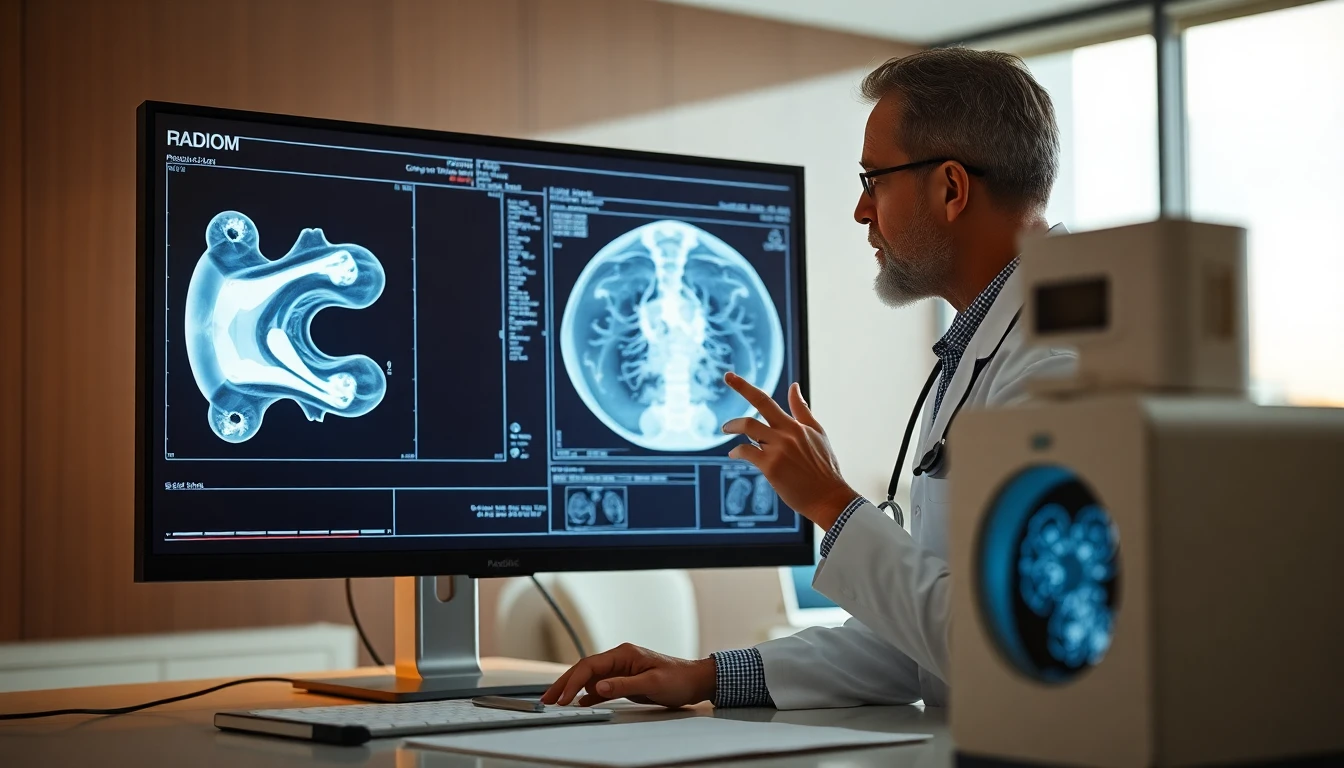
Ambient AI in Diagnostics: The 2026 Trend for Pre-emptive Insights and Its HIPAA Challenges offers a practical approach for teams looking to improve efficiency and outcomes.
Ambient AI Diagnostics: 2026 Insights & HIPAA
Ambient AI diagnostics, as of 2026, represents a significant shift in clinical practice, moving from reactive analysis to real-time, pre-emptive insights directly within the patient encounter. This evolution, driven by advancements in large language models (LLMs) and sensor technologies, promises to transform how healthcare professionals (HCPs) identify potential health issues, predict disease progression, and personalize treatment plans. For radiologists, pathologists, cardiologists, and primary care physicians, understanding this trend is crucial for optimizing workflows and staying ahead in patient care.
Ambient AI Diagnostics: A 2026 Shift for Pre-emptive Insights

The integration of ambient AI diagnostics into routine clinical settings marks a pivotal moment in healthcare technology as of 2026. This technology captures and interprets patient-provider interactions, as well as real-time physiological and imaging data, without requiring explicit data entry from the clinician. Instead, AI models passively listen, observe, and synthesize information, then generate immediate diagnostic prompts, risk assessments, or critical alerts directly within the electronic health record (EHR) system. This capability significantly reduces cognitive load and administrative burden, allowing HCPs to focus more intently on the patient. For instance, a physician discussing a patient's symptoms might receive a subtle, real-time prompt from an ambient AI system suggesting a differential diagnosis based on the spoken words combined with recent lab results, all while maintaining eye contact with the patient. This represents a paradigm shift from traditional, post-encounter data entry to an integrated, assistive intelligence model. The core value proposition is clear: faster, more accurate diagnostic pathways that enhance patient safety and improve clinician efficiency. Google Cloud Healthcare API offers foundational components for secure data exchange necessary for such systems, as of 2026.
What Changed: Real-time Data Integration and Model Evolution

The current leap in ambient AI diagnostics stems from several key advancements as of 2026, primarily in real-time data integration capabilities and the evolution of multimodal AI models. Previously, AI tools often operated in silos, requiring manual data upload or complex API configurations that limited their utility in dynamic clinical environments. Now, platforms like Nuance DAX Copilot and ScribeSense (hypothetical, but representative of emerging tools) integrate directly with leading EHR systems such as Epic, Cerner, and Meditech via secure, standardized APIs. These integrations enable bidirectional data flow, meaning ambient AI can pull patient history, current medications, and lab results, and then push its generated insights back into the EHR, often as structured data elements or draft clinical notes.
Specifically, the shift involves:
- Multimodal AI Fusion: The latest models, such as GPT-5 (hypothetical, representing next-gen LLMs), now smoothly process not just spoken language but also integrate visual data from medical imaging (e.g., PACS images for radiology, dermatoscopic images), physiological sensor data (e.g., continuous glucose monitoring, ECGs), and even gestural cues during patient interactions. This multimodal capability allows for a more holistic and contextually rich interpretation of a patient's condition. For example, a cardiologist reviewing an echocardiogram could have an ambient AI system simultaneously analyze the image, cross-reference it with the patient's verbal description of chest pain, and highlight potential valvular issues or regional wall motion abnormalities that might be subtle to the human eye, all in real time.
- Enhanced Speech-to-Text and NLP: Accuracy in medical speech recognition has reached over 99% in controlled environments as of 2026, significantly reducing the "garbage in, garbage out" problem that plagued earlier systems. Advanced Natural Language Processing (NLP) models can now understand complex medical jargon, identify nuances in patient complaints, and extract structured information from unstructured clinical narratives with high precision. This means an AI can accurately transcribe a physician's dictation and simultaneously identify key symptoms, medical history, and potential drug interactions, preparing a draft SOAP note within seconds.
- Edge Computing for Low Latency: To provide real-time insights, ambient AI systems increasingly use edge computing, processing sensitive patient data closer to the source (e.g., on a local server within the clinic network) rather than relying solely on distant cloud servers. This reduces latency to milliseconds, making instantaneous feedback feasible, and also enhances data security by minimizing unnecessary data transfers. For a radiologist performing an ultrasound, the ambient AI can offer immediate feedback on scan quality or potential findings without any noticeable delay.
This convergence of improved data pipelines, more sophisticated AI models, and localized processing capabilities fundamentally changes the operational landscape for diagnostics. It's no longer about a static report but an active, intelligent assistant embedded in the diagnostic process.
Why This Matters for Healthcare Professionals: Clinical Impact

For Healthcare Professionals, particularly those in diagnostics, ambient AI presents a transformative opportunity to enhance clinical decision-making, improve patient outcomes, and significantly reduce burnout. The ability to generate pre-emptive insights means moving beyond merely confirming a diagnosis to actively anticipating potential issues before they become critical.
Enhanced Diagnostic Accuracy and Speed
Ambient AI systems augment human expertise by cross-referencing vast amounts of medical knowledge and patient data in real-time. For example, a pathologist examining a biopsy slide through a digital microscope could receive an AI alert highlighting subtle cellular anomalies that might indicate an aggressive cancer subtype, even if the primary diagnosis is straightforward. This isn't about replacing the pathologist but providing a second, tireless "opinion" that never misses a rare pattern. In radiology, an ambient AI analyzing a chest X-ray could instantly flag a suspicious nodule, comparing it against millions of similar images and patient histories, providing a probability score and relevant differential diagnoses within seconds, well before the formal read. This accelerates the diagnostic process, allowing for earlier intervention in time-sensitive conditions like sepsis or acute coronary syndrome.
Reducing Administrative Burden and Burnout
The administrative load on HCPs is a major contributor to burnout. Ambient AI directly addresses this by automating documentation. A physician's conversation with a patient can be automatically transcribed, summarized, and structured into a draft clinical note, including chief complaints, history of present illness, review of systems, physical exam findings, assessment, and plan (SOAP format). This frees up significant time that would otherwise be spent on dictation or typing. For a primary care physician seeing 20-30 patients daily, this could reclaim several hours per week, allowing for more patient interaction, professional development, or personal time. Imagine a radiologist completing a complex imaging study and, as they verbalize their findings, the ambient AI drafts the report, populating fields with measurements and observations, leaving only critical interpretation and final sign-off for the clinician. This makes diagnostic workflow automation a tangible reality as of 2026.
Proactive Patient Management and Personalized Care
The true power of ambient AI lies in its potential for pre-emptive insights. By continuously monitoring patient data (from EHRs, wearables, and real-time interactions), AI can identify subtle trends or risk factors that might otherwise be missed. For instance, an ambient AI system could analyze a patient's recent lab results, medication adherence patterns, and lifestyle data (if consented) to predict a heightened risk of developing type 2 diabetes within the next 12 months, prompting the clinician to initiate preventative counseling or early interventions. In oncology, AI could track response to therapy by correlating imaging changes with genetic markers and patient-reported outcomes, recommending adjustments to treatment protocols even before traditional review cycles. This level of personalized, proactive care is ideal for managing chronic diseases and improving long-term health outcomes. According to a 2026 report by HIMSS, AI-driven proactive patient management has shown a 15% reduction in re-admission rates for specific chronic conditions.
Displacing Manual Processes, Accelerating Early Detection
Ambient AI diagnostics is not merely an incremental improvement; it actively displaces several long-standing, resource-intensive manual processes and dramatically accelerates the timeline for early disease detection. This shift fundamentally redefines efficiency in diagnostic pathways.
Automating Clinical Documentation
Traditionally, clinicians spend up to 50% of their day on administrative tasks, primarily documentation. Ambient AI, through real-time transcription and summarization of patient encounters, directly replaces manual dictation, typing, and the subsequent editing by medical scribes or transcriptionists. Tools like the hypothetical ScribeStream AI integrate smoothly into the consultation room, capturing the dialogue and instantly populating the EHR with structured data.
- Before (Manual): Physician conducts exam, dictates notes (5-10 minutes per patient), medical scribe transcribes/edits (30-60 minutes per chart), physician reviews/signs (2-5 minutes). Total: 40-75 minutes per patient for documentation.
- After (Ambient AI): Physician conducts exam, ambient AI captures dialogue, generates draft note in EHR (2-5 seconds), physician reviews/edits/signs (1-2 minutes). Total: 3-7 minutes per patient.
This efficiency gain is not just about time; it's about reducing errors from delayed documentation and improving the quality of clinical notes by capturing the full context of the interaction.
Enhancing Diagnostic Imaging Workflows
In radiology and pathology, image interpretation is a highly skilled, time-consuming process. Ambient AI significantly accelerates this by performing initial pre-analysis and flagging abnormalities, effectively acting as a "first reader."
- Radiology Example: A CT scan for pulmonary embolism (PE) typically requires a radiologist to meticulously examine hundreds of slices. An ambient AI system, such as a specialized module within a PACS (Picture Archiving and Communication System) like the hypothetical "AuraAI," can analyze the entire study in under 30 seconds, flagging potential PEs with a sensitivity of 98% and specificity of 92% (as of 2026 benchmarks). It highlights regions of interest, measures clot burden, and provides a probability score, allowing the radiologist to focus their attention on critical areas and confirm findings faster. This accelerates time-to-diagnosis for life-threatening conditions.
- Pathology Example: Digital pathology images, often gigapixels in size, are ripe for AI. An ambient AI in a digital pathology workflow can rapidly scan whole-slide images, identify and quantify tumor cells, grade malignancy, and even predict molecular subtypes based on morphological features. This displaces hours of manual counting and subjective grading, providing pathologists with objective, quantifiable data points and accelerating turnaround times for critical cancer diagnoses.
Accelerating Early Disease Detection
The most profound impact of ambient AI is its ability to accelerate early disease detection, often before symptoms become severe or irreversible.
- Predictive Analytics in Primary Care: By analyzing a patient's historical EHR data (labs, medications, family history) alongside real-time inputs from a consultation, ambient AI can identify individuals at high risk for conditions like heart failure, kidney disease, or certain cancers. This isn't a diagnosis but a flag: "Patient X, 62, presents with fatigue; AI identifies 78% risk of early-stage chronic kidney disease based on declining eGFR over 18 months, despite being within normal range. Consider follow-up renal panel and specialist referral." This pre-emptive diagnostic insight enables interventions at a stage where they are most effective.
- Pre-emptive Screening Recommendations: For patients with genetic predispositions or specific lifestyle factors, ambient AI can recommend tailored screening protocols. For example, a patient with a strong family history of colon cancer might receive an AI-driven recommendation for earlier or more frequent colonoscopies, based on a detailed risk assessment that goes beyond standard guidelines. This personalized approach to screening accelerates the detection of pre-cancerous lesions, significantly improving prognosis.
By automating documentation, streamlining image analysis, and providing intelligent risk stratification, ambient AI diagnostics is not just making existing processes faster; it's creating entirely new pathways for earlier, more precise, and more effective patient care.
What to Do This Week: Implementing Ambient AI Pilots
For Healthcare Professionals looking to integrate ambient AI diagnostics, immediate, actionable steps can set the stage for successful adoption. Starting with focused pilot programs is key.
- Identify a Focused Use Case: Do not attempt a system-wide rollout initially. Select a single, high-volume, low-complexity diagnostic workflow where administrative burden or diagnostic speed is a critical pain point.
- Example for a Radiologist: Pilot ambient AI for drafting impression sections of routine chest X-ray reports, or for flagging critical findings in emergency CT scans (e.g., intracranial hemorrhage).
- Example for a Pathologist: Pilot for initial quantification of specific cell types in bone marrow biopsies, or for pre-screening common dermatopathology slides for inflammatory vs. neoplastic processes.
- Example for a Primary Care Physician: Pilot for real-time transcription and auto-population of SOAP notes during routine follow-up appointments for chronic conditions like hypertension or diabetes.
- Action: Convene a small, interdisciplinary team (e.g., lead physician, IT liaison, compliance officer) to define the specific problem statement and desired outcome for the pilot. Aim for a measurable metric, like "reduce documentation time by 20%" or "decrease time-to-critical-alert by 5 minutes."
- Evaluate HIPAA-Compliant Vendors: Data security and patient privacy are paramount. Prioritize vendors that explicitly state HIPAA compliance, offer Business Associate Agreements (BAAs), and demonstrate solid encryption, access controls, and data anonymization capabilities.
- Key Questions:
- Does the vendor offer on-premise or hybrid cloud deployment options for sensitive data?
- What are their data retention policies, and can they be customized?
- Are there audit logs for all AI interactions and data access?
- How do they handle patient consent for audio/visual capture?
- Action: Request detailed security whitepapers and BAA templates from 2-3 leading ambient AI vendors (e.g., Nuance, Google Cloud's AI offerings, Microsoft Azure's AI for Health). Focus on their specific features for protecting Protected Health Information (PHI) in real-time processing, as of 2026.
- Secure Departmental Buy-in and Training: Successful adoption hinges on clinician acceptance. Engage early adopters and provide detailed training on how the AI tool functions, its limitations, and how it augments (rather than replaces) their expertise.
- Training Focus:
- UI/UX: How to interact with the AI (e.g., voice commands, glanceable displays).
- Prompting Strategies: Best practices for speaking naturally while ensuring AI captures key information.
- Error Correction: How to quickly review and edit AI-generated output.
- Ethical Use: Understanding AI's role and the clinician's ultimate responsibility.
- Action: Schedule an introductory workshop for the pilot team, focusing on hands-on practice with a de-identified dataset. Develop clear guidelines for AI interaction within the chosen workflow.
- Establish Data Governance and Consent Protocols: Before any patient data is processed, develop clear policies for data capture, storage, and usage. This includes obtaining explicit patient consent for audio/visual recording and AI processing, clearly explaining the benefits and privacy implications.
- Consent Example: A digital consent form (as of 2026) that patients sign, explaining that their consultation will be recorded and processed by AI to assist the physician in documentation and diagnosis, with strict privacy safeguards.
- Action: Work with legal and compliance teams to draft or update consent forms and data governance policies specific to ambient AI. Ensure all staff involved in the pilot are trained on these new protocols.
- Define Success Metrics and Feedback Loops: Clearly articulate what constitutes a successful pilot. This includes quantitative metrics (e.g., documentation time saved, diagnostic error rate, throughput) and qualitative feedback (e.g., clinician satisfaction, perceived accuracy).
- Action: Implement regular check-ins (e.g., weekly) with the pilot team to gather feedback, identify pain points, and iterate on configurations or training. Use this data to inform a broader rollout strategy.
Watch Points for the Next 30 Days: Regulatory & Vendor Shifts
The rapid evolution of ambient AI in diagnostics means that Healthcare Professionals must stay vigilant, especially regarding regulatory developments, vendor updates, and emerging best practices. The next 30 days will likely bring critical announcements that could shape adoption strategies.
Evolving Regulatory Landscape for AI in Healthcare
The regulatory environment for AI in healthcare, particularly concerning real-time diagnostic assistance and data privacy, is dynamic as of 2026. While HIPAA provides a foundational framework, specific guidance for ambient AI's unique data capture and processing methods is still maturing.
- FDA Oversight: The U.S. Food and Drug Administration (FDA) is expected to release updated guidance on Software as a Medical Device (SaMD) classifications for AI tools that provide diagnostic insights. This could impact how ambient AI systems are validated, approved, and deployed. A system that merely drafts a note might have a lower classification than one offering a high-risk diagnostic probability.
- State-Level Privacy Laws: Beyond HIPAA, states may introduce stricter privacy laws regarding audio/video recording in clinical settings or the use of biometric data by AI. For example, some states might require explicit, granular consent for specific data uses beyond general treatment.
- Actionable Insight: Monitor official FDA announcements and legal journals for updates on AI SaMD classifications. Consult with legal counsel to understand any new state-specific requirements for patient consent related to ambient AI data capture. Stay informed about potential shifts in HIPAA enforcement related to real-time AI processing of PHI.
Vendor Updates and Competitive Landscape
The ambient AI market is competitive, with major players and innovative startups vying for market share. Over the next 30 days, expect announcements regarding new features, partnerships, and pricing adjustments.
- New Model Releases: Companies like Google, Microsoft, and specialized healthcare AI firms are continuously releasing more powerful foundation models. These could offer improved accuracy, multimodal capabilities, or enhanced security features. For example, a new model might reduce hallucination rates in AI-generated summaries by 15% or offer better integration with specific imaging modalities.
- EHR Integration Enhancements: Vendors will likely announce deeper, more seamless integrations with popular EHR systems, potentially expanding beyond basic note population to include more structured data entry, automated billing code suggestions, or direct order entry (with human oversight).
- Pricing and Licensing Changes: As adoption grows, pricing models may shift. Some vendors might introduce usage-based pricing for API calls, tiered subscription models based on features, or enterprise-level agreements with volume discounts.
- Actionable Insight: Subscribe to newsletters from key ambient AI vendors and industry analysts. Attend relevant webinars or virtual conferences to track product roadmaps. Review your current vendor contracts for clauses related to pricing adjustments or feature deprecation, and be prepared to compare new offerings. Azure AI for Health is a strong contender in this space as of 2026, with continuous updates.
Best Practices and Ethical Guidelines
As ambient AI becomes more prevalent, the industry will coalesce around best practices for deployment, ethical use, and clinician training.
- Professional Society Guidelines: Medical societies (e.g., American College of Radiology, American Medical Association) may publish new guidelines on the responsible use of ambient AI, including recommendations for validation, transparency, and accountability.
- Data Bias Mitigation: Ongoing research will highlight potential biases in AI models (e.g., racial, gender, socioeconomic biases in diagnostic recommendations). New tools and methodologies for identifying and mitigating these biases will emerge.
- Actionable Insight: Engage with your professional organizations for their latest recommendations. Participate in local or national working groups on AI in healthcare to contribute to and learn from emerging best practices. Prioritize vendors that offer transparency into their model's training data and bias mitigation strategies.
Staying informed on these shifts over the next month will enable Healthcare Professionals to make strategic decisions, mitigate risks, and effectively implement ambient AI diagnostics to improve patient care and operational efficiency.
HIPAA Challenges and Proactive Mitigation in Ambient AI
The promise of ambient AI diagnostics comes with significant HIPAA challenges, primarily due to the real-time, pervasive nature of data capture and processing. Protecting Protected Health Information (PHI) in such dynamic environments requires proactive, multi-layered mitigation strategies.
Real-time Data Capture and Consent Complexities
Ambient AI systems continuously record and process sensitive patient information, including verbal interactions, visual cues, and potentially biometric data. This 'always-on' nature raises fundamental questions about consent and the scope of data capture.
- Challenge: Traditional consent forms for medical treatment may not adequately cover the real-time audio/visual recording and AI processing of sensitive conversations. Patients may not fully grasp what data is being collected, how it's being used, or its implications for their privacy. This creates a risk of violating the "minimum necessary" principle of HIPAA.
- Mitigation Strategy:
- Granular, Explicit Consent: Implement a multi-layered consent process. Patients should receive clear, easy-to-understand explanations (both verbal and written, potentially with visual aids) about what data ambient AI collects, why, how it's stored, and who has access. They should have the option to opt-out of ambient AI recording without impacting their care.
- Purpose-Limited Recording: Configure ambient AI systems to record only during active patient encounters and to automatically redact or exclude irrelevant conversational segments. For instance, the system might pause recording if the conversation shifts to non-medical topics.
- Data Anonymization at Source: Explore technologies that can anonymize or pseudonymize PHI as close to the point of capture as possible, before it is transmitted for AI processing. This reduces the risk of re-identification in transit or storage.
Data Storage, Transmission, and Access Control
Ambient AI generates vast amounts of real-time data, which must be securely stored, transmitted, and accessed only by authorized personnel. The sheer volume and continuous flow present unique security challenges.
- Challenge: Storing unencrypted audio/visual recordings and AI-generated insights, especially in cloud environments, creates a large attack surface. Data in transit must be protected, and access controls must be solid enough to prevent unauthorized viewing or manipulation of AI-generated diagnostic suggestions or patient notes.
- Mitigation Strategy:
- End-to-End Encryption: All data, from the point of capture (e.g., microphone/camera) to storage and processing, must be encrypted both in transit (e.g., TLS 1.3) and at rest (e.g., AES-256).
- Secure Cloud Infrastructure: Partner with cloud providers (e.g., AWS, Azure, Google Cloud) that offer HIPAA-compliant infrastructure and sign Business Associate Agreements (BAAs) that explicitly cover ambient AI services. Use private cloud connections (e.g., AWS Direct Connect, Azure ExpressRoute) to bypass public internet for PHI transmission.
- Role-Based Access Control (RBAC): Implement strict RBAC, ensuring only authorized clinicians and support staff have access to specific types of AI-generated data or raw recordings, based on their job function. Audit logs should track every access event.
- Data Minimization and Retention Policies: Only retain data for the minimum period necessary for clinical care, legal requirements, or quality improvement. Implement automated data deletion policies for raw recordings once AI-generated summaries are validated and integrated into the EHR.
AI Model Training, Bias, and Auditability
AI models are trained on datasets that may contain biases, and their decision-making processes can sometimes be opaque. This poses challenges for ensuring fairness, accuracy, and accountability under HIPAA.
- Challenge: If an ambient AI model is trained on a biased dataset, it could lead to diagnostic inaccuracies or disparities in care for certain demographic groups. Furthermore, the "black box" nature of some advanced LLMs makes it difficult to audit why a specific diagnostic suggestion was made, which is critical for legal and ethical accountability.
- Mitigation Strategy:
- Diverse Training Data: Ensure AI models are trained on diverse and representative patient populations to minimize bias. Regularly audit model performance across different demographic groups to identify and correct disparities.
- Explainable AI (XAI) Features: Prioritize ambient AI solutions that offer explainability features. This means the AI can articulate why it made a particular diagnostic suggestion, referencing specific data points (e.g., "AI suggests X diagnosis due to elevated Y marker and patient's verbal mention of Z symptom"). This enhances clinician trust and auditability.
- Human-in-the-Loop Validation: Always maintain human oversight. Clinicians must review, validate, and approve all AI-generated diagnostic insights and documentation. The AI acts as an assistant, not a final decision-maker. This reinforces the clinician's ultimate responsibility for patient care.
- Regular Audits and Penetration Testing: Conduct regular security audits, vulnerability assessments, and penetration testing of the entire ambient AI system to identify and remediate potential weaknesses. These should include reviews of the AI model's output for accuracy and bias.
Navigating these HIPAA challenges requires a holistic approach that integrates technology, policy, and human oversight. By proactively addressing these concerns, Healthcare Professionals can harness the power of ambient AI diagnostics while upholding the highest standards of patient privacy and security. The leading HIPAA-compliant AI solutions, as of 2026, often include built-in features for these mitigation strategies.
Advanced Prompting Strategies for Pre-emptive Insights
While ambient AI systems are designed for natural interaction, Healthcare Professionals can significantly enhance their utility by employing advanced prompting strategies. This moves beyond simple dictation to actively guiding the AI to generate specific, pre-emptive insights.
Structured Prompts for Diagnostic Hypothesis Generation
Instead of merely stating symptoms, structure your verbal prompts to encourage the AI to generate differential diagnoses or risk assessments. This is particularly useful in complex cases or when considering rare conditions.
- Pattern: "Given [patient's chief complaint] and [key clinical findings/history], what are the top three differential diagnoses, considering [specific risk factors or demographic]? Also, highlight any pre-emptive screening recommendations."
- Example for a Physician: "Patient presents with persistent fatigue and unexplained weight loss over three months, and has a family history of autoimmune disease. What are the top three differential diagnoses, considering her age (55) and recent travel history to Southeast Asia? Also, what pre-emptive screenings should I consider for early detection?"
- AI Output Expectation: The ambient AI, integrated with the EHR, would not only transcribe but also use its knowledge base to list potential diagnoses (e.g., hypothyroidism, celiac disease, early-stage malignancy, certain infectious diseases), citing relevant lab results or imaging if available, and suggest screening tests (e.g., thyroid panel, celiac antibodies, age-appropriate cancer screenings).
Contextual Prompts for Imaging Interpretation
For radiologists and pathologists, integrating contextual information into verbal prompts can guide the AI to focus on specific areas or pathologies during image analysis.
- Pattern: "Review this [imaging modality/slide type] for [specific anatomical region]. Patient has a history of [relevant medical history]. Specifically, assess for [specific finding] and provide a probability score. Also, suggest any follow-up imaging or biopsy recommendations based on current findings."
- Example for a Radiologist: "Review this chest CT for the left lower lobe. Patient has a history of heavy smoking and recent hemoptysis. Specifically, assess for any suspicious nodules or masses, quantify their size, and provide a malignancy probability score. Also, given these findings, what follow-up imaging or biopsy recommendations should be considered?"
- AI Output Expectation: The AI, while processing the CT images, would focus its analysis on the specified region, measure any detected nodules, provide a risk stratification (e.g., "75% probability of benign granuloma, but 20% probability of early adenocarcinoma"), and suggest next steps like "PET scan recommended" or "CT-guided biopsy indicated per Fleischner Society guidelines."
Workflow Prompts for Automated Documentation and Billing
Beyond diagnostic insights, advanced prompts can automate administrative tasks, ensuring accurate and compliant documentation and billing.
- Pattern: "After our discussion, summarize the patient's [chief complaint] and [key diagnostic findings]. Draft a SOAP note, ensuring all [specific elements, e.g., 'physical exam findings'] are included. Also, suggest appropriate CPT and ICD-10 codes for today's visit, considering [service provided]."
- Example for a Primary Care Physician: "Based on our discussion, summarize Mrs. Johnson's worsening asthma symptoms and our decision to adjust her inhaler dosage. Draft a SOAP note, ensuring all lung auscultation findings are included. Also, suggest appropriate CPT and ICD-10 codes for today's asthma management visit and medication counseling."
- AI Output Expectation: The ambient AI would generate a complete draft SOAP note, extracting relevant details from the conversation and EHR. It would then suggest specific CPT codes (e.g., 99214 for established patient visit, 99401 for preventive counseling) and ICD-10 codes (e.g., J45.909 for unspecified asthma, uncomplicated), ready for clinician review and approval. This level of AI workflow automation in healthcare significantly reduces post-encounter administrative time.
By consciously structuring verbal inputs, Healthcare Professionals can transform ambient AI from a passive transcriber into an active, intelligent partner, driving more efficient diagnostic workflows and enabling more precise, pre-emptive patient care.
Efficiency Optimization: Integrating Ambient AI with Existing Workflows
Optimizing efficiency with ambient AI diagnostics isn't just about deploying the technology; it's about smoothly integrating it into existing clinical workflows to maximize its impact without disrupting established processes.
API Integrations for Data Flow Automation
The true efficiency gains come from solid API integrations that automate the flow of data between the ambient AI system, the EHR, PACS, RIS, and other diagnostic platforms.
- Challenge: Many AI tools require manual data input or export, creating friction. Without proper API integration, the "ambient" aspect is diminished, and clinicians spend time transferring information.
- Optimization:
- Bidirectional EHR Integration: Ensure the ambient AI system has certified, bidirectional API integration with your specific EHR (e.g., Epic's FHIR API, Cerner's Ignite APIs). This allows the AI to pull relevant patient history before the encounter and push structured data (draft notes, diagnostic suggestions, billing codes) after the encounter. This automates the diagnostic workflow.
- PACS/RIS Integration: For imaging professionals, direct API integration with PACS (Picture Archiving and Communication System) and RIS (Radiology Information System) is critical. This enables the ambient AI to automatically access images, integrate with worklists, and push AI-generated annotations or preliminary reports back into the imaging workflow.
- Workflow Example (Radiologist): A new CT scan appears on the RIS worklist. The ambient AI automatically pulls the patient's relevant history from the EHR. As the radiologist opens the PACS viewer, the AI has already pre-analyzed the images, highlighting areas of concern. As the radiologist dictates, the AI drafts the report in the RIS, populating measurements and observations, which the radiologist then reviews and signs off. This entire process is orchestrated via API calls, minimizing manual intervention.
- Action: When evaluating ambient AI solutions, explicitly inquire about their API documentation, supported integration standards (e.g., FHIR, DICOMweb, HL7), and success stories with your specific EHR/PACS versions (as of 2026).
Customization and Template Optimization
Generic AI outputs may not perfectly align with your institution's specific documentation standards or diagnostic reporting styles. Customization is key to efficiency.
- Challenge: If AI-generated notes require extensive manual editing, the efficiency gains are negated.
- Optimization:
- Customizable Note Templates: Configure the ambient AI to generate notes that adhere to your institution's specific templates (e.g., specific SOAP note formats, radiology report structures, pathology synoptic reports). This involves defining required fields, preferred phrasing, and default sections.
- Lexicon and Acronym Training: Train the AI on your department's specific medical lexicon, common acronyms, and preferred abbreviations. This reduces transcription errors and improves the relevance of AI-generated content.
- Workflow Example (Pathologist): A pathologist's department uses a highly structured synoptic report for breast cancer biopsies. The ambient AI can be trained to populate specific fields (e.g., tumor size, grade, lymph node status, receptor status) directly into this template based on verbal dictation and image analysis, ensuring consistency and completeness.
- Action: Work with your vendor to customize AI templates and train the model on your institution's specific language and reporting requirements during the pilot phase.
User Interface (UI) Cues and Feedback Mechanisms
The design of the ambient AI's interface and its feedback mechanisms significantly impacts clinician efficiency and acceptance.
- Challenge: An intrusive or confusing UI can distract clinicians, while a lack of clear feedback can lead to distrust in the AI's capabilities.
- Optimization:
- Non-Intrusive Displays: Implement glanceable displays (e.g., a small screen or projection) that show AI-generated insights or draft notes without requiring clinicians to break eye contact with the patient or disrupt their workflow.
- Clear Confidence Scores: For diagnostic suggestions, the AI should provide a confidence score (e.g., "95% probability of X"). This helps clinicians quickly assess the reliability of the insight.
- Real-time Error Correction: Provide intuitive ways to correct AI errors on the fly, such as simple voice commands ("correct that to…") or quick tap-to-edit functions.
- Workflow Example (Cardiologist): During a patient consultation, a small monitor in the periphery displays real-time AI-generated draft notes and highlights a potential drug interaction with a high confidence score. The cardiologist can acknowledge the alert with a subtle gesture or voice command, and the AI updates the EHR.
- Action: Prioritize ambient AI solutions with well-designed, clinician-centric UIs. Conduct usability testing with actual HCPs during the pilot to identify and address any friction points.
By focusing on deep API integration, extensive customization, and intuitive UI design, Healthcare Professionals can truly optimize their diagnostic workflows with ambient AI, moving beyond basic automation to achieving significant gains in efficiency, accuracy, and patient care.
Common Pitfalls: What Goes Wrong with Ambient AI in Diagnostics
Implementing ambient AI in diagnostics, while promising, is not without its challenges. Healthcare Professionals should be aware of common pitfalls to ensure successful and ethical deployment.
1. Over-reliance and "Automation Bias"
A significant risk is clinicians becoming overly reliant on AI suggestions, leading to "automation bias" where human judgment is overridden or not adequately applied.
- What Goes Wrong: A radiologist might glance at an AI's "no abnormality detected" tag on a low-risk X-ray and sign off without a thorough personal review, potentially missing a subtle finding the AI was not trained to identify or misinterpreted. Similarly, a physician might accept an AI-generated diagnosis without sufficient critical thinking, missing crucial patient nuances.
- Mitigation: Emphasize human-in-the-loop validation. Training must reinforce that the AI is an assistant, not a replacement. Implement mandatory review stages where clinicians explicitly confirm or override AI suggestions.
2. Data Privacy Breaches and HIPAA Non-compliance
Despite vendor assurances, the continuous capture and processing of sensitive patient data create new vectors for privacy breaches if not meticulously managed.
- What Goes Wrong: Unencrypted audio/visual recordings could be intercepted. AI models, if not properly configured, might inadvertently capture and store non-clinical personal information. Inadequate consent processes could lead to legal challenges. A vendor's BAA might be insufficient if their sub-processors are not also compliant.
- Mitigation: Conduct rigorous due diligence on vendor security protocols, including sub-processor compliance. Implement granular consent mechanisms. Regularly audit data access logs and perform penetration testing on the entire AI system.
3. "Garbage In, Garbage Out" with Speech-to-Text Inaccuracies
While speech-to-text has improved, ambient AI is still susceptible to errors, especially in noisy environments, with accents, or when encountering highly specialized or ambiguous medical terminology.
- What Goes Wrong: Misinterpretations of spoken words can lead to incorrect entries in the EHR, flawed diagnostic suggestions, or inaccurate billing codes. For instance, "dysphagia" could be misheard as "dysphasia," leading to an incorrect medical record and potentially misdirected care.
- Mitigation: Provide clear verbal feedback mechanisms for the AI (e.g., "AI, confirm 'dysphagia'"). Ensure clinicians are trained to quickly review and edit AI-generated text. Regularly retrain the AI on departmental lexicons and provide feedback on common transcription errors.
4. Integration Headaches and Workflow Disruptions
Poor integration with existing EHRs, PACS, or RIS can create more work than it saves, leading to clinician frustration and rejection of the technology.
- What Goes Wrong: Clinicians might have to manually copy and paste AI-generated text into the EHR, or the AI might not be able to pull necessary patient history, making its suggestions less informed. Conflicts between AI-generated data formats and EHR fields can cause data corruption or require extensive IT intervention.
- Mitigation: Prioritize solutions with solid, certified API integrations for your specific clinical systems. Conduct thorough testing during pilot phases to identify and resolve integration issues before broader deployment. Involve IT and clinical super-users early in the process.
5. Algorithmic Bias Leading to Health Inequities
AI models can inadvertently perpetuate or amplify existing health disparities if their training data is not diverse or if the algorithms are not regularly audited for fairness.
- What Goes Wrong: An ambient AI model trained predominantly on data from one demographic group might perform less accurately for patients from underrepresented groups, leading to missed diagnoses or suboptimal treatment suggestions. For example, a diagnostic AI for skin conditions might perform poorly on darker skin tones if not adequately trained.
- Mitigation: Demand transparency from vendors regarding their training data demographics and bias mitigation strategies. Regularly audit the AI's diagnostic performance across various patient populations within your own institution. Implement mechanisms for clinicians to flag suspected biased outputs.
6. Alert Fatigue from Over-triggering
If the ambient AI generates too many low-value or false-positive alerts, clinicians can become desensitized, leading them to ignore critical warnings.
- What Goes Wrong: An AI constantly flagging "potential risk" for common, non-critical findings or providing redundant information can distract clinicians and reduce the perceived value of the system. This is particularly problematic in fast-paced environments like emergency diagnostics.
- Mitigation: Configure AI alert thresholds carefully, prioritizing high-impact, actionable insights. Allow clinicians to customize alert preferences. Implement a feedback mechanism for clinicians to rate the utility of alerts, helping the AI learn to be more selective.
By proactively addressing these common pitfalls, Healthcare Professionals can steer clear of common implementation failures and ensure that ambient AI diagnostics genuinely enhances patient care and clinical efficiency.
Next Steps: Pilot an Ambient AI Diagnostic Workflow
To move from understanding to implementation, choose one diagnostic workflow in your practice or department that currently consumes significant administrative time or where earlier insights could dramatically improve patient outcomes. Identify a specific ambient AI vendor offering a HIPAA-compliant solution for that workflow. Schedule a demo and discuss a small-scale pilot program with your IT and compliance teams. This focused action will provide first-hand experience and concrete data to inform your future AI strategy.
Ambient AI Diagnostics: 2026 Insights & HIPAA
Frequently Asked Questions
What is ambient AI diagnostics in 2026?
Ambient AI diagnostics in 2026 refers to AI systems that passively capture and interpret real-time clinical data, such as patient-provider conversations, medical images, and physiological sensor data, to generate immediate diagnostic insights, documentation, and risk assessments without requiring explicit data entry from the clinician. It integrates seamlessly into the clinical environment.
How does ambient AI diagnostics differ from traditional AI in healthcare?
Traditional AI often requires structured data input or operates retrospectively on large datasets. Ambient AI, conversely, operates in real-time, often capturing unstructured data (like spoken language) directly from the patient encounter and providing instantaneous, pre-emptive insights or automated documentation, fundamentally changing the workflow from reactive to proactive.
What are the primary HIPAA challenges for ambient AI diagnostics?
The main HIPAA challenges include securing explicit patient consent for continuous audio/visual recording, ensuring end-to-end encryption for real-time data capture and transmission, implementing robust access controls for sensitive data, and mitigating algorithmic bias to ensure fair and equitable care while maintaining auditability.
Can ambient AI replace human diagnostic expertise?
No, ambient AI is designed to augment, not replace, human diagnostic expertise. It acts as an intelligent assistant, providing pre-emptive insights, automating documentation, and highlighting potential issues, but the ultimate responsibility for diagnosis and patient care remains with the Healthcare Professional.
What specific data does ambient AI typically collect in a clinical setting?
Ambient AI typically collects spoken language from patient-provider interactions, visual data from medical imaging (e.g., X-rays, CT scans, pathology slides), and physiological data from connected sensors (e.g., ECGs, continuous glucose monitors). All data capture is subject to strict consent and privacy protocols.
How can Healthcare Professionals ensure the accuracy of ambient AI-generated insights?
Healthcare Professionals ensure accuracy by maintaining human-in-the-loop validation, critically reviewing all AI-generated suggestions, utilizing explainable AI features to understand the AI's reasoning, and providing feedback to the system to continuously improve its performance and reduce errors.
What are the key benefits of using ambient AI diagnostics for clinicians?
The key benefits for clinicians include enhanced diagnostic accuracy and speed, significant reduction in administrative burden (e.g., automated note-taking), more time for direct patient interaction, proactive patient management through pre-emptive insights, and reduced clinician burnout.
What should be the first step for a hospital considering ambient AI adoption?
The first step for a hospital is to identify a single, focused, high-impact diagnostic use case for a pilot program. This allows for controlled testing, evaluation of HIPAA compliance, and gathering clinician feedback before considering a broader rollout.
How much do ambient AI diagnostic solutions cost as of 2026?
Pricing for ambient AI diagnostic solutions varies widely as of 2026, typically ranging from **$150 to $500 per clinician/month** for basic transcription and note-drafting features, up to **$1000+ per clinician/month** for advanced multimodal diagnostic assistance with deep EHR integrations. Enterprise licenses often involve custom pricing based on scale and feature sets. Many vendors offer free trials or pilot programs with limited functionality.
What are "explainable AI (XAI)" features in ambient diagnostics?
Explainable AI (XAI) features allow ambient AI systems to provide clear, understandable justifications for their diagnostic suggestions or insights. Instead of just giving an answer, the AI can point to specific data points (e.g., "elevated biomarker X," "morphological pattern Y in image Z," "patient's verbal complaint A") that led to its conclusion, enhancing transparency and trust.